Jan 21, 2026
Why Spiritual Teachers Have an Ethical Responsibility to Speak During Injustice
Why spiritual teachers and lightworkers have an ethical responsibility to speak during injustice, and how to do so with integrity.
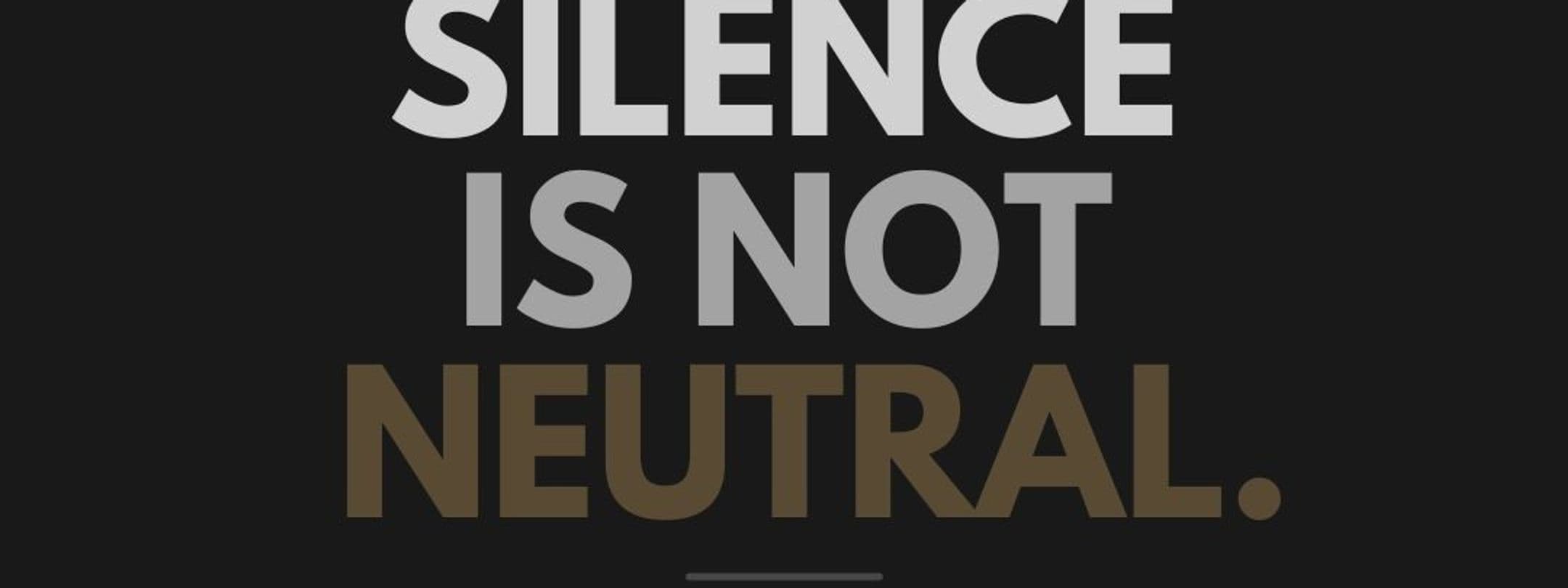
Spiritual teachers serve as guides for inner peace and personal growth, yet spirituality doesn't exist in isolation. Spirituality lives in bodies, communities, systems, and shared realities, making ethical responsibility unavoidable during times of injustice.
Awakening Requires Action
Spiritual wisdom without corresponding action becomes merely comforting rather than transformative. When teachers remain silent about harm, they inadvertently teach that injustice is irrelevant to spiritual practice.
Ethical Resistance as Sacred Practice
Speaking against injustice can represent devotion to love and justice. This doesn't demand aggression but rather clarity, truth, and moral grounding.
Practical Ways to Engage
Teachers and lightworkers can:
- Speak intentionally about injustice through spiritual frameworks.
- Educate communities about systemic harm.
- Create spaces for authentic emotional processing.
- Amplify marginalized voices rather than speaking over them.
- Align business practices with stated values.
- Demonstrate embodied compassion through direct action.
- Model integrity over comfort.
Core Message
Silence has never protected the vulnerable, but courageous voices have shifted consciousness again and again.
True spiritual leadership prioritizes presence and truth over safety, recognizing that engagement with justice represents authentic care.
With Love and Light, Claudia
Enjoyed this?
Give it some love and share it with a soul who needs it.
Keep reading

Sep 2, 2026
Fall Equinox 2026: A Portal Into Balance, Harmony & Energetic Renewal
The Fall Equinox arrives on September 22, 2026 — one of the most powerful energetic thresholds of the year, when day and night stand in perfect equality. This is not just a seasonal shift; it is a cosmic recalibration point. Here are the rituals and realignments that will carry you into the final quarter of the year in balance.

Aug 19, 2026
Developing Your Clairsentient Psychic Skills: A Complete Guide to Trusting What You Feel
If you have spent years feeling everything so deeply that you wondered whether something was wrong with you, here is the truth: nothing is. That depth of feeling is clairsentience — clear feeling — and it is one of the most common and most dismissed psychic gifts. Here is your complete guide to recognizing it, developing it, and protecting it.

Aug 5, 2026
Is It Normal to Feel Unsatisfied with a Good Job That Pays Well? (Yes! Here's What It Means and What to Do)
You have the job everyone else would love — the salary, the title, the benefits — so why the quiet Sunday dread? Feeling unsatisfied in a good job isn't ingratitude. It's a conversation your soul is trying to have with you. Here's what it means and what to do about it.