Apr 10, 2026
The Top 5 Signs You're at Your Limit (And How to Reclaim Calm)
Discover 5 clear signs you're overwhelmed by stress and burnout, plus simple, effective strategies to reclaim calm.
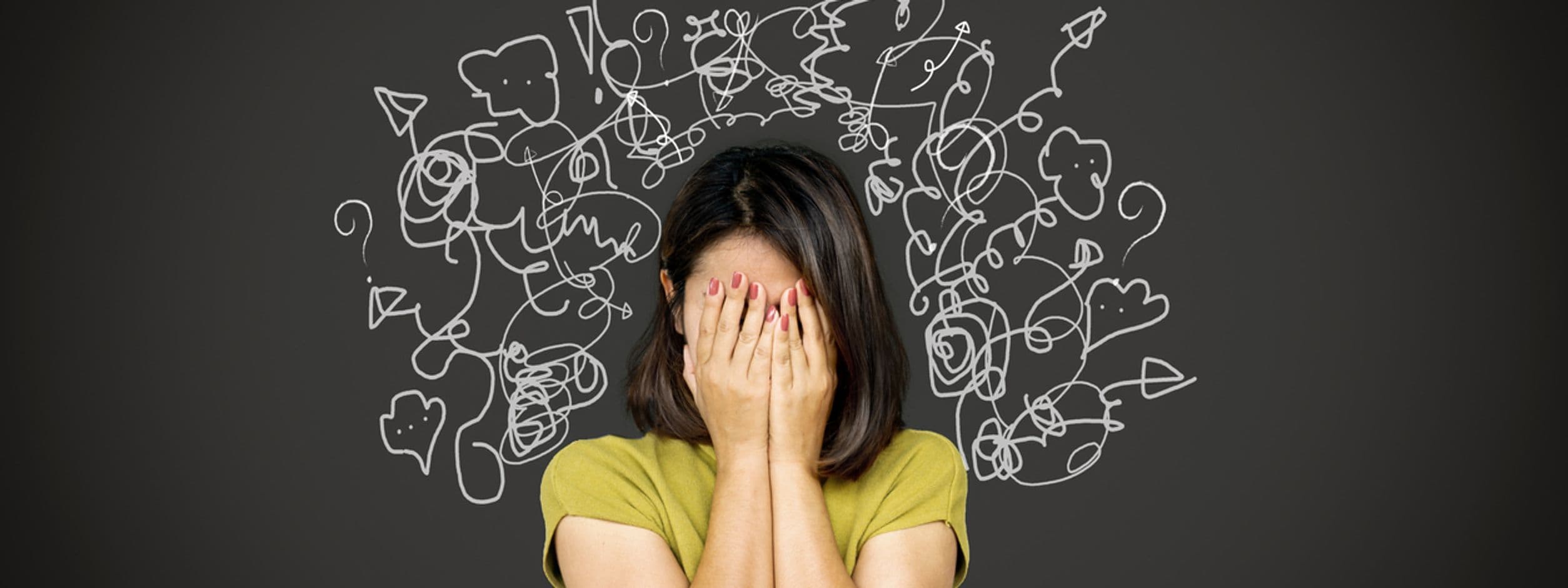
Let's be honest: feeling overwhelmed is part of being human.
Life pulls us in a hundred directions: work deadlines, family needs, health worries, and everything in between. Most days, we power through.
But when that overwhelmed feeling doesn't fade, when it becomes your constant companion, it can quietly turn into chronic stress.
And that kind of stress doesn't just live in your head. It shows up in your body, your emotions, your focus, and your relationships.
The good news? Your body and mind are incredibly wise.
They send you signals when you're reaching your limit. Learning to recognize those signals is a powerful act of self-leadership, and the first step toward restoring balance.
You've Taken on Too Much, and It's Costing You
Here are five signs you may be at your limit, and gentle, doable ways to start reclaiming calm.
1. Your Heart Is Racing and It's Hard to Breathe
If you've ever felt your heart pounding or your breath getting shallow, you're not "failing at stress." You're experiencing your body's natural fight-or-flight response.
When anxiety takes the wheel, your nervous system shifts into overdrive.
Coaching shift: Slow is powerful. Instead of mentally chasing your entire to-do list, bring your attention back to this moment. Focus on something you can control right now: your breath, your posture, a quiet stretch, or a few minutes of yoga or meditation. Even sixty seconds of intentional breathing can signal safety to your nervous system.
2. Your Body Is Aching, Tense, or Getting Sick More Often
Chronic stress often speaks through the body: joint pain, muscle tension, dizziness, or even frequent colds. These aren't inconveniences to ignore; they're messages asking for care.
Coaching shift: Rest is not a reward, it's a requirement. Gentle relaxation exercises can ease muscle tension, and mindfulness practices help clear mental clutter that keeps your body on high alert. When you slow your thoughts, your body often follows.
3. You Feel Emotionally Reactive or Withdrawn
If you're snapping more easily, crying over small things, or pulling away from people you care about, stress may be overflowing your emotional capacity.
Coaching shift: You don't have to hold this alone. Talking with a life coach or therapist, or a trusted support person, can create tremendous relief. Another powerful practice is simply observing your thoughts without judgment. Pause, step back, and gently ask yourself: Is there another way to look at this? That single question can loosen stress's grip.
4. You Can't Focus, and Joy Feels Out of Reach
When stress builds, concentration drops. Tasks feel harder, motivation dips, and activities you once enjoyed start to feel like effort.
Coaching shift: Do less, on purpose. Focus on one task at a time. Write things down instead of carrying them all in your head. When possible, schedule your most mentally demanding tasks during the times of day when your energy is highest. Structure creates safety for a tired mind.
5. You Feel Guilty or Angry About Everything You're Carrying
Taking care of others, saying yes too often, or being everyone's emotional support can slowly turn into resentment or guilt, two heavy emotions that fuel chronic stress.
Coaching shift: Support is not weakness. Practice delegating where you can. Let others help, yes, even your children. Whether it's sharing household chores, running errands, or walking the dog, small shifts in responsibility can dramatically lighten your emotional load.
A Gentle Reminder
Managing overwhelm isn't about doing more, it's about listening sooner.
There are many ways to reduce stress, but if your physical and emotional symptoms persist or begin to interfere with daily life, checking in with your medical doctor is an important step.
Asking for support is an act of courage, not failure. You deserve a life that feels sustainable, not just survivable.
And the moment you start listening to what your mind and body are telling you, real change becomes possible.
Final Insights
Feeling overwhelmed isn't a personal failure, it's a signal.
Your body and mind communicate when stress is building, whether through physical tension, emotional shifts, trouble focusing, or feelings of guilt and resentment.
By recognizing these signs early and responding with compassion, small intentional changes, and support when needed, you can begin to restore balance.
Remember, slowing down, asking for help, and lightening your load aren't signs of weakness, they're powerful acts of self-care.
With Love and Light, Claudia
Enjoyed this?
Give it some love and share it with a soul who needs it.
Keep reading

Oct 7, 2026
Developing Your Clairvoyant Psychic Skills: Seeing Beyond What the Eyes Can Hold
Clairvoyance isn’t dramatic or theatrical — it’s subtle, symbolic, quiet, and deeply real. From childhood visions to vivid dreams and sudden flashes of insight, here’s what clear seeing actually looks like, and seven grounded ways to strengthen your inner sight.
Sep 16, 2026
Reinventing Yourself: Why September Feels Like a Second January
September carries a distinct frequency — a crisp, clarifying, forward-moving energy that feels like a cosmic reset button. Even if you are not in school, that “new school year” rhythm cracks open a portal for reinvention. Here is how to use it: the identity shifts, the confidence practices, and a five-step ritual to activate your next chapter.

Sep 2, 2026
Fall Equinox 2026: A Portal Into Balance, Harmony & Energetic Renewal
The Fall Equinox arrives on September 22, 2026 — one of the most powerful energetic thresholds of the year, when day and night stand in perfect equality. This is not just a seasonal shift; it is a cosmic recalibration point. Here are the rituals and realignments that will carry you into the final quarter of the year in balance.